
In high-capacity lifting, there is no such thing as a ‘minor’ equipment failure. When you are moving more than 50 tonnes across a busy port or mine site, the integrity of your hook is the only line of defence against catastrophic downtime.
Similarly, in mines and shipyards, these hooks handle huge weights, and even a close call can cause more than just delays. Small parts can hide big risks, so safety is always a top priority.
Today, ACS Designs and Manufacturing will walk you through the benefits of purchasing locally made, high-quality ramshorn hooks.
Why Local Australian Forging
Fresh off the production line here at home, our tough Ramshorn hooks meet AS 1418.1 rules right away. It also eliminates the months of lead time often associated with international shipments. Instead of relying on distant suppliers, ACS Designs & Manufacturing make sure every lift gear is tested, strong, and ready when big projects demand it.
The Essentials of a Crane Hook Setup
A crane hook in a big factory doesn’t just come as a piece of shaped steel. The hook comes with safety in mind. Tough jobs today require parts that resist constant stress, salt-air corrosion, and sudden heavy forces.
The 2026 Manufacturing Industry Outlook shows that many factory bosses are shifting toward intelligent, local suppliers, stepping away from weak global supply chains.
Working alongside a skilled Australian maker means more than purchasing equipment. It’s adding a trusted part to how safety works on site. Built tough through heat treatment and precise shaping, these pieces meet strict standards such as DIN 15402 or EN 13001. What sets them apart isn’t branding but care in creation. Unlike basic overseas versions, they do not break when exposed to extreme cold or scorching heat.
Why Forged Hooks Are Stronger Than Cast Hooks
Forging aligns the steel’s internal grain structure with the hook’s shape. It increases fatigue resistance and prevents hidden structural weaknesses.
Cast hooks, by comparison, can contain internal voids or gas pockets that may lead to unexpected failure under heavy loads.
Because of this, forged hooks are the preferred option for lifting assemblies weighing more than 50 tonnes.
How Ramshorn Design Helps in Many High-Capacity Lifts?
The Ramshorn hook gets its name from two sweeping curves that look like horns. Each bend mirrors the other, evenly distributing weight when heavy things hang from both ends. Because of its shape, pressure doesn’t build up in a single spot along its centre. That setup? It matters most when the load exceeds 50 tons.
In loads on forty-foot containers, cranes adjust their grip in real time. If one side is heavier, sensors automatically shift the balance point. Smooth lifting protects cargo, and off-centre weights require additional checks. Operators monitor screens closely. It allows the crew to coordinate the lift with total confidence, knowing the equipment provides that balance.
Similarly, it helps to raise large metal parts from underground, move heavy machines through tunnels, and transport damaged equipment on flatbeds. Cranes lift cast-iron frames under heavy strain, and truck beds get loaded with broken crusher jaws.
Nearby manufacturers like ACS engineer these heavy-duty hooks with extra load rings or strong marine coatings. Whether it’s harsh sun or salty air, the gear stays strong no matter what.
Industries That Depend on Ramshorn Forged Hooks
Ramshorn hooks are widely used across heavy industries where loads often exceed 50 tonnes.
Key sectors include:
- Mining operations: Moving crusher components, excavator parts, and heavy machinery
- Ports and shipping terminals: Lifting containers and cargo equipment
- Offshore oil and gas: Handling anchors and subsea equipment
- Infrastructure and construction: Lifting structural steel and prefabricated components
- Transport logistics: Securing oversized loads during relocation
How safe are these hooks really?
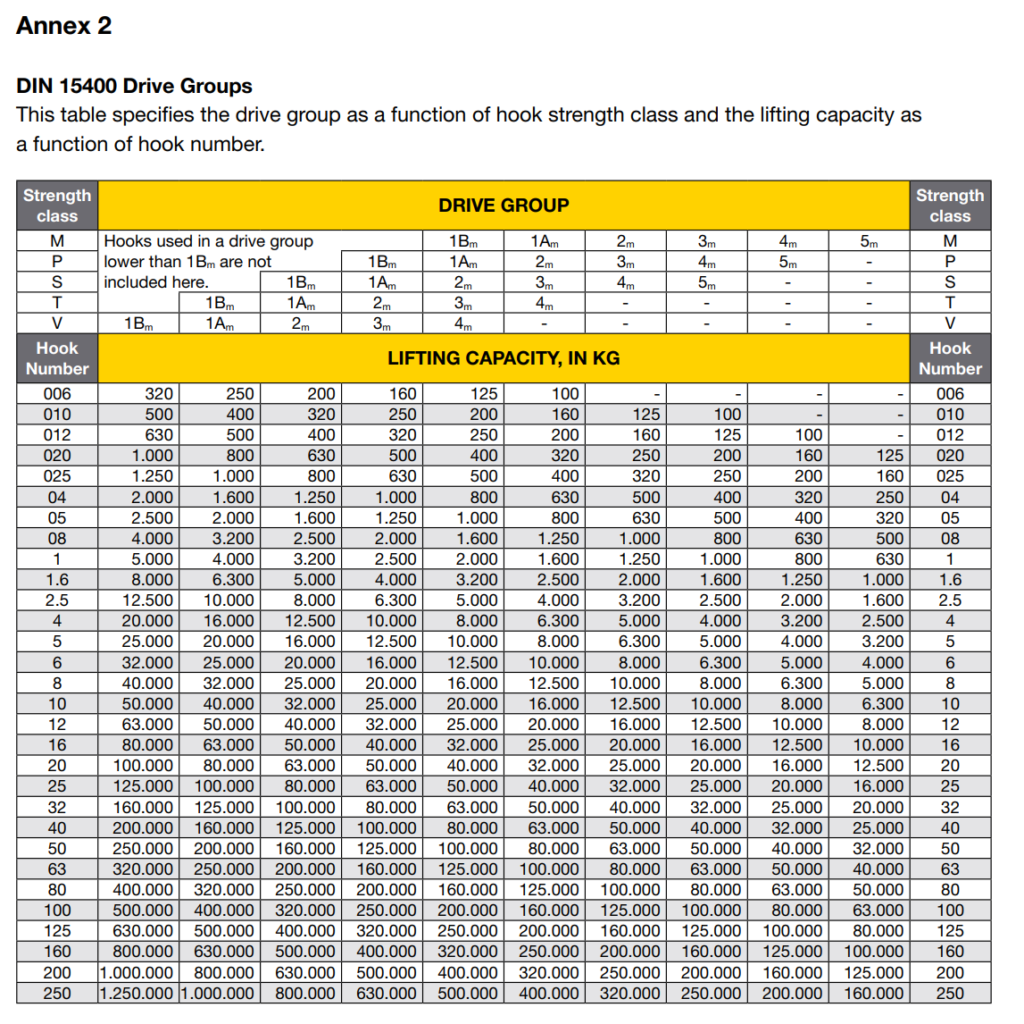
A single forged hook designed for heavy loads carries a safety factor of 4 to 5 times its rating. So when it says 100 tonnes, the point at which it fails is closer to 400 or even 500. That extra strength handles sudden jolts without giving way. You can sense the strength in every lift. Check the diagram below to check how ACS rates the ramshorn hooks.
Keeping Your Next Big Lift Safe
A broken part can cost far more than its price tag suggests. When machinery halts, delays stack up fast. If an imported component fails, you are looking at weeks of downtime just for a replacement.
On the other hand, locally made forged crane hooks avoid that risk by holding strong under pressure. These tools meet strict rules without sacrificing toughness. They are just a phone call or a short drive away.
Firms like ACS shape metal to meet real job-site demands. Safety remains high because the design follows an engineer’s well-planned process. Trust comes from knowing each piece will last. Performance matters most when lives depend on it, and ACS is here to provide it.
What matters most isn’t just how much a machine lifts – it’s what stands behind it. Over here at ACS Designs & Manufacturing, every arm and joint builds on the trust you rely on daily. Built tough for Australia’s roughest jobs, we shape gear that matches real-world needs.
Strength? It shows up in steel selection and sharp edges. Proof of safety comes sealed, stamped, and ready. Wherever loads get serious, our work moves beside yours.
Reach out to ACS Designs & Manufacturing now if you need help designing lifting gear that meets your exact needs. We even have the expertise to provide the best reach stacker attachment.
Frequently Asked Questions
What is the advantage of a forged hook over a cast hook?
Fresh from the hammer’s blow, the metal’s inner fibres twist into alignment with the hook’s curve, increasing the amount of pulling stress it can handle and making it last longer under repeated strain. Poured moulds tend to trap tiny gas pockets; these weak spots might crack without warning when weight is applied.
How often should a forged crane hook be inspected in Australia?
A once-a-year deep check is required under AS 2550.1, while workers must visually scan equipment each day. Instead of waiting for failure, firms such as ACS Designs & Manufacturing use magnetic particle testing to detect tiny cracks on metal surfaces. These hidden flaws might worsen without notice, yet early detection keeps things safe.
Repairing a worn crane hook with welding – is it possible?
Welding on the load-bearing sections of a forged hook is strictly prohibited under AS 1418. The heat from welding alters the grain structure and destroys the heat treatment, making the hook brittle. If a hook is not fit for work, you must decommission it, not repair it.
Why does local manufacturing reduce project risk?
Getting things made nearby means you can check the paperwork yourself. Right there, down the road, the engineers who built it stand by their work. Meet the ones who figured out how strong it needs to be. Watch the tests happen live if you want. Knowing exactly where it came from keeps risk far away.
Final Thoughts
For organisations handling heavy-lifting operations across Australia, selecting the right crane hook assembly is essential to maintain both safety and operational efficiency. ACS Designs & Manufacturing provides locally engineered lifting components that meet Australian standards and withstand the demands of industrial environments. Give us a call today for more details.